Teacher salaries are a crucial factor in the education system, as they not only determine the livelihood of educators but also impact the quality of education delivered. In South Africa, teacher salaries vary based on several factors, including qualifications, experience, location, and the level of education they teach.
Teacher Salaries in 2025: A Comprehensive Overview
This guide provides a comprehensive overview of teacher salaries in South Africa for 2025, covering the key factors that influence earnings and offering insights into trends and future expectations.
1. Salary Structure in South Africa’s Education System
In South Africa, teachers are primarily employed by the Department of Basic Education (DBE) or the Department of Higher Education and Training (DHET), depending on whether they teach in public or private institutions.
The salary structure for teachers in public schools is standardized, and teachers are categorized according to the following salary bands:
- Salary Band A: This category typically includes entry-level teachers who are in their early years of service or have minimal experience.
- Salary Band B: Teachers with more years of experience or additional responsibilities fall into this band.
- Salary Band C and D: Senior teachers with extensive experience or those in leadership roles, such as head teachers or school principals, belong to these bands.
2. Teacher Salary Breakdown for 2025
As of 2025, the salary structure for teachers in South Africa is guided by the national salary scales. Below is a general breakdown of teacher salaries across various levels:
Entry-Level Teachers (Grade R-12)
- Minimum Salary: Entry-level teachers with a Bachelor of Education (BEd) degree or a similar qualification typically start at a salary of approximately R22,000 to R25,000 per month.
- Experience Factor: Teachers who have completed their probation period and have gained 2–5 years of teaching experience can expect salaries ranging from R25,000 to R30,000 per month.
Mid-Level Teachers
- With 5–10 Years of Experience: Teachers with significant experience and possibly additional qualifications (e.g., Honours or Master’s degrees) may earn R30,000 to R40,000 per month.
Senior-Level Teachers and School Leaders
- Senior Teachers: Teachers with over 10 years of experience, especially those who are mentors or subject specialists, can expect to earn R40,000 to R50,000 per month.
- School Principals: School leaders, such as principals and deputy principals, earn significantly more. Their monthly salaries range from R50,000 to R75,000 or higher, depending on the size of the school and the region.
3. Private School Teacher Salaries
While the salary scale in public schools is standardized, salaries in private schools can vary significantly depending on the institution’s location, reputation, and resources. On average, private school teachers earn slightly less than their counterparts in public schools, but this can be offset by factors like smaller class sizes, better working conditions, and additional benefits such as health insurance.
- Entry-Level: Teachers in private schools generally earn between R18,000 and R22,000 per month.
- Experienced Teachers: Teachers with 5–10 years of experience can earn R25,000 to R35,000.
- Private School Principals: These roles can command salaries in the range of R45,000 to R70,000 depending on the institution.
Recommended for you: From Personal Details to References: Building a Professional CV in 7 Easy Steps
4. Factors Affecting Teacher Salaries
Several factors influence how much a teacher earns in South Africa. These include:
- Location: Teachers working in rural or underserved areas may receive additional incentives or higher salaries to compensate for the challenges of working in such areas.
- Qualification and Experience: Teachers with higher qualifications, such as Honours, Master’s, or Doctorate degrees, tend to earn more than those with a basic teaching qualification. Additionally, the longer the teaching experience, the higher the potential salary.
- Specialization: Teachers in specialized subjects such as mathematics, science, and technology are often in higher demand and may earn more than general education teachers.
- School Type: Public schools generally have more standardized pay, while private and international schools may offer higher salaries and additional perks.
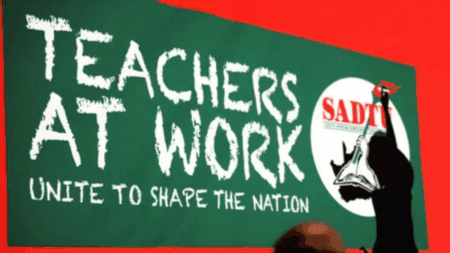
- Union Representation: Teachers who are part of a union, such as the South African Democratic Teachers Union (SADTU), might benefit from collective bargaining agreements that secure higher wages, improved working conditions, and other benefits.
5. Additional Benefits and Perks
In addition to base salaries, teachers in South Africa are often entitled to various benefits and perks that enhance their overall compensation package. These benefits may include:
- Pension Contributions: Teachers are generally provided with pension plans as part of their employment package.
- Medical Aid: Many schools provide teachers with medical aid options, which could be partially or fully subsidized.
- Leave Benefits: Teachers receive annual leave, public holidays off, and sick leave, in addition to any holiday periods provided by the school calendar.
- Incentives: In some cases, teachers in rural areas or specialized subjects may receive additional allowances, such as housing stipends or transport subsidies.
6. Trends in Teacher Salaries and Future Outlook
The South African government has been working on improving teacher compensation in recent years, with salary increases typically linked to inflation and the cost of living. However, challenges such as budget constraints and economic pressures may impact the speed at which salaries increase.
Future Trends:
- Increased Salaries for Key Skills: Given the global demand for specialized skills in subjects like science, technology, engineering, and mathematics (STEM), there is likely to be an increase in salaries for teachers in these fields.
- Better Support for Educators: Efforts to improve working conditions, such as reducing class sizes and providing more professional development opportunities, may indirectly increase teacher satisfaction and retention.
- Government Initiatives: Government initiatives aimed at improving education quality may lead to further salary increases, especially for teachers in rural or under-resourced areas.
Read more: Gauteng Department of Education Unemployed Educators Database is Now Live
In 2025, teacher salaries in South Africa vary widely depending on factors such as location, experience, qualifications, and the type of school. While public school teachers enjoy a more standardized salary structure, private school teachers may experience a broader range of pay. Overall, teacher salaries are expected to increase gradually in response to inflation, demand for specialized educators, and government education policies.